Up Past Midnight: Inside Australia's Thriving Late-Night Gaming Scene
Photo: Stefanpavelka, CC BY 4.0, via Wikimedia Commons
There's a particular kind of quiet that settles over an Australian home somewhere around 11pm. The kids are down, the dishes are done, and the TV remote is finally yours. For a growing number of Aussies, that's not the cue to wind down — it's the cue to boot up.
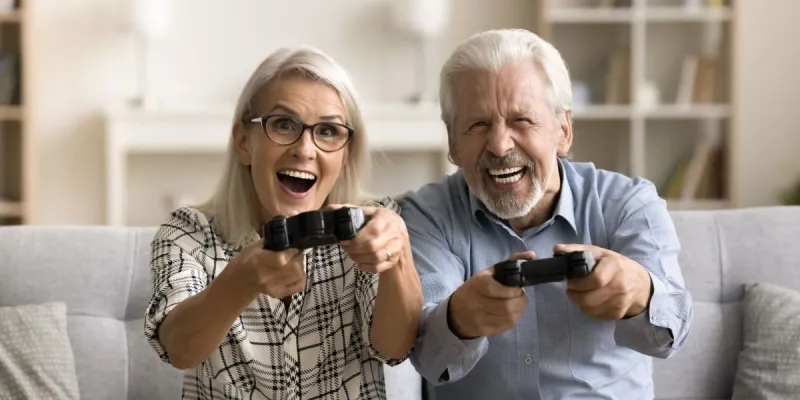
Late-night gaming isn't a new thing, but it's become noticeably more common, more organised, and more openly talked about. Whether it's a couple of rounds of something casual before bed or a proper session that bleeds well into the early hours, the midnight shift has its own culture, its own community vibe, and — honestly — its own set of perks that daytime gaming just can't match.
Why Aussies Are Perfectly Placed to Game at Night
Here's something that doesn't get said enough: Australia's time zones are genuinely awkward for a lot of things, but for international multiplayer gaming, they're surprisingly useful.
When it's midnight in Sydney or Melbourne, it's prime time in Tokyo and Seoul. European servers are waking up. North American players on the west coast are still grinding through their evenings. That means an Australian player logging on at 11pm isn't hitting empty lobbies — they're stepping into some of the most active multiplayer windows of the global gaming day.
For anyone who's tried to find a ranked match at 2pm on a Tuesday and ended up waiting in a queue that feels longer than a Centrelink line, this matters. Off-peak domestically doesn't mean off-peak globally, and that distinction is a genuine draw for competitive players who want full lobbies and shorter wait times.
The Work Schedule Factor
It's not just time zones driving this. Talk to most late-night gamers and you'll hear a pretty consistent story: the day belongs to work, commutes, family, and everything else life throws at you. By the time dinner is done and the evening winds down, there might only be a couple of hours left that feel genuinely free.
For shift workers, parents of young kids, or anyone running a busy household, gaming after dark isn't avoidance — it's scheduling. It's carving out time that actually belongs to you in a day that mostly belongs to everyone else.
There's also something to be said for the mental shift that happens at night. The inbox isn't pinging. Nobody needs anything. The pressure to be productive lifts. A lot of players describe late-night sessions as feeling more immersive, more relaxed, and more genuinely fun — not because the games are different, but because the headspace is.
The Vibe Is Just Different After Dark
Anyone who's played online games at various times of day will tell you that the community atmosphere shifts noticeably at night. The peak-hour crowd — especially on weekends — can be intense. Competitive players are grinding, tempers are shorter, and the chat can get a bit spicy.
After midnight, something changes. The player base tends to skew older, more relaxed, and more in it for the experience rather than the ranking. Casual co-op games feel genuinely collaborative. Even competitive modes have a different energy — people are still trying to win, but there's less aggression in the air.
This isn't universal, of course. Plenty of late-night lobbies have their share of chaos. But the general consensus among regular night-shift gamers is that the community is more their speed once the clock ticks past twelve.
Okay, But What About Sleep?
It would be pretty irresponsible to write about late-night gaming without being honest about the sleep side of things, so here it is: yes, regularly staying up until 2am to play games will affect your sleep, and that has real consequences.
Blue light from screens, the stimulating nature of competitive gameplay, and the way a good session can make time disappear — all of these work against winding down naturally. Sleep researchers consistently point out that irregular sleep patterns affect mood, concentration, and long-term health. That's not a lecture, just a fact worth knowing.
The players who seem to handle late-night gaming best are the ones who treat it like any other lifestyle choice — with some intentionality. Setting a hard stop time, using night mode or screen filters, and being honest with yourself about whether you're gaming because you want to or because you can't sleep anyway are all worth thinking about.
Gaming at night can be a genuinely enjoyable, sustainable part of your routine. It just works better when it's a choice rather than a habit that crept up on you.
Finding Your Late-Night Game Match
Not every game suits a midnight session equally well. Fast-paced competitive titles that spike your adrenaline right before you try to sleep are a different proposition to something slower, more atmospheric, or genuinely relaxing.
A lot of late-night regulars gravitate toward games with a certain rhythm to them — turn-based strategy, exploration-heavy RPGs, casual builders, or co-op games with a social element that doesn't require peak focus. The idea is to enjoy the session without leaving yourself so wired that sleep feels impossible.
On the flip side, if your schedule genuinely suits a late-night wake window — some people are natural night owls and sleep better later regardless — then leaning into competitive play during those hours makes total sense. Know your body, know your game.
It's a Lifestyle, Not a Bad Habit
The narrative around late-night gaming tends to lean negative — lazy, avoidant, unhealthy. But for a lot of Australians, it's simply when their day frees up enough to actually play. It's the same reason people go to the gym at 10pm or read until 1am. Everyone finds their own rhythm.
What's genuinely interesting about Australia's midnight gaming scene is how connected it is. There are Discord servers, social media groups, and in-game communities built specifically around Aussie night-owl players. People who game at similar hours, share similar schedules, and appreciate the particular atmosphere of a late-night session.
If you're already part of that world, you know what we're talking about. And if you're curious about it — maybe you've been up late and wondered what the gaming landscape looks like at midnight — it might be worth finding out.
Just maybe set an alarm.