Nine Minutes Is All You Need: The Quiet Rise of Micro-Gaming Down Under
Photo: Imelda Bettinger from Manvel, TX, USA, CC BY-SA 2.0, via Wikimedia Commons
There's a moment every working Aussie gamer knows well. You've got a cuppa going, the kettle's barely clicked off, and your phone shows a calendar reminder in twelve minutes. Booting up a proper gaming session feels impossible — so for years, most of us just... didn't bother.
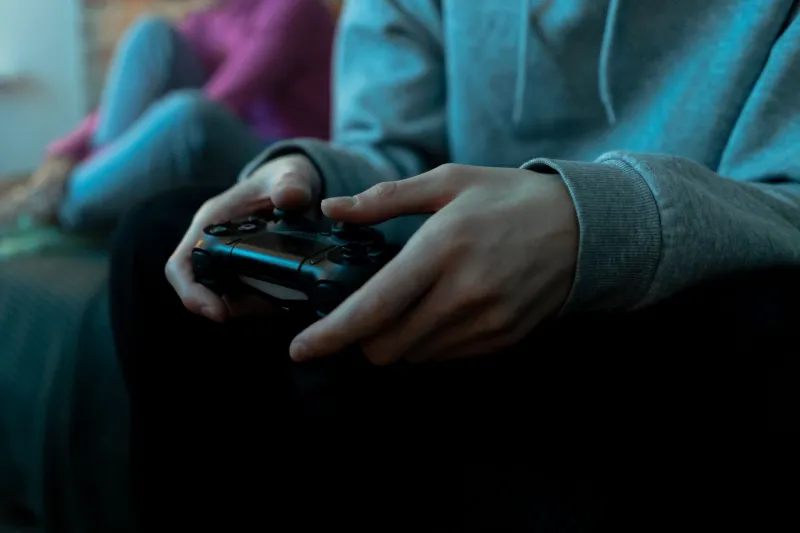
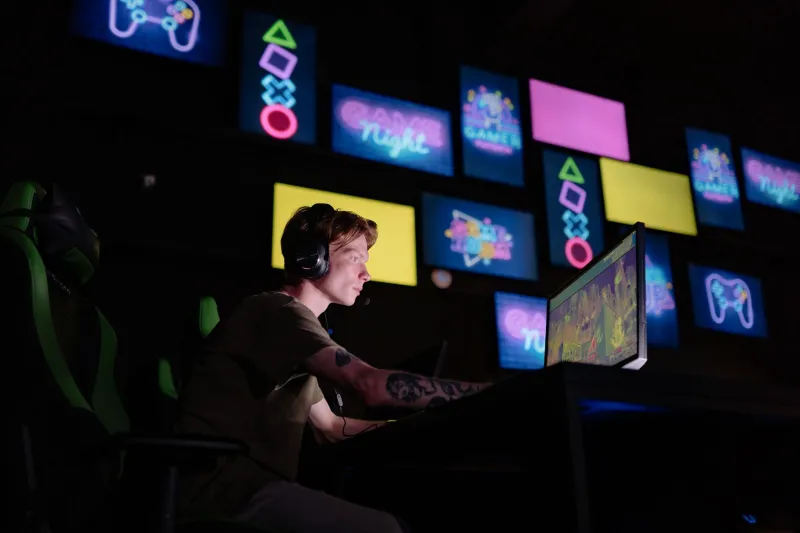
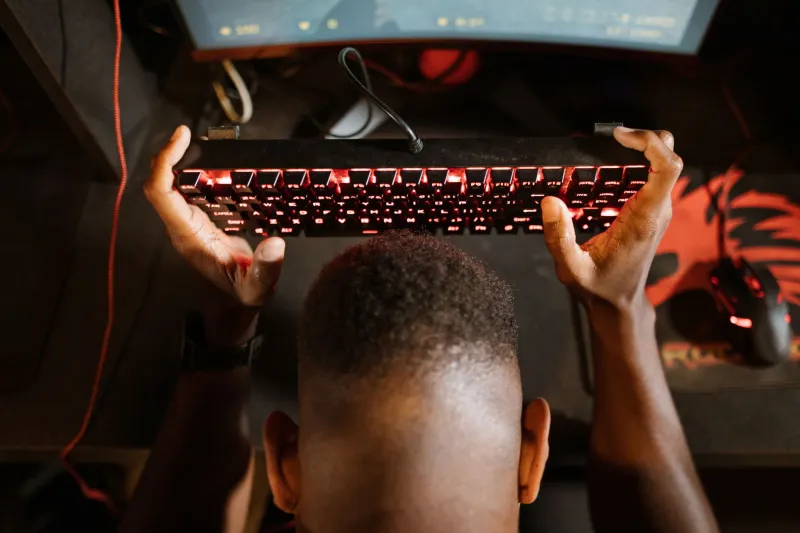
That's changing, and fast. Micro-sessions — short, deliberate bursts of play squeezed into the gaps of a busy day — have quietly become the dominant way many Australians game. Not because we've lost our love of gaming, but because we've finally stopped pretending our lives leave room for four-hour raids.
The Maths of a Modern Day
Talk to any parent, shift worker or commuter in this country and the pattern is identical. The big blocks of free time? Gone. What's left are fragments: the wait at school pickup, the tram ride into the CBD, the ten minutes between the kids finally falling asleep and your own eyelids giving up.
Melbourne-based nurse and mum of two, Sarah, put it plainly when we chatted online: "I used to feel guilty playing anything under an hour, like it didn't count. Now I've got a folder of games that are designed to be put down. Nine minutes and I actually feel refreshed instead of wrecked."
That word — count — comes up again and again. For years, gaming culture has treated short sessions as lesser-than. Speedruns aside, the prestige was always in the epic, the immersive, the all-nighter. But wellness research keeps pointing the other way: short, enjoyable breaks genuinely lower stress, while marathon sessions often leave you feeling worse than when you started.
Games Built for the Gap
Developers have noticed. The past few years have seen a wave of titles engineered around tight play loops — run-based roguelikes, puzzle games with daily challenges, and management games that autosave at the drop of a hat.
A few standouts that suit the nine-minute window:
- Slay the Spire — one run, one deck, one bite-sized decision fest. Pause-friendly by design.
- Mini Metro — build a train network in beautiful silence. Perfect for a tram, funnily enough.
- Wordle and its many cousins — the daily ritual games that take five minutes and give your brain a satisfying scratch.
- Balatro — dangerously moreish poker roguelike, but each round is a self-contained burst.
- Dorfromantik — place tiles, build villages, exhale. The definition of low-stakes.
The common thread: no long cutscenes, no punishing save systems, no penalty for walking away mid-sentence. They respect your time instead of demanding it.
Making the Nine Minutes Actually Good
There's a knack to this. A micro-session done badly — doom-scrolling through a game's menu, losing your progress, getting tilted by one bad match — can leave you more frazzled than before. Here's what the regulars we spoke to recommend:
Pick your game the night before. Decision fatigue is real. Knowing exactly what you're playing means you're in the game within thirty seconds.
Match the game to the mood, not the clock. A frantic shooter in a nine-minute window is a recipe for frustration. A puzzle game or a chill builder fits the slot far better.
Set a soft timer. Sounds counterintuitive, but knowing you have to stop removes the guilt of "one more turn." The session ends when it ends, and that's fine.
Keep a dedicated micro-folder. Whether it's a Switch folder, a phone home screen page or a Steam collection, having your short-session games in one place removes friction.
Play More, Stress Less
It's the idea we keep coming back to at 9Game Online: gaming doesn't have to be another obligation competing for your time. Done right, a nine-minute session is a reset button — a genuine breather in a day that rarely offers one.
The hours-long epics aren't going anywhere, and thank goodness. But the rise of the micro-session means there's finally room for both. So next time you've got nine minutes and a lukewarm coffee, don't write it off as not enough time.
It's exactly enough.