Paying More, Getting Less: The Brutal Truth About Gaming Hardware Costs in Australia
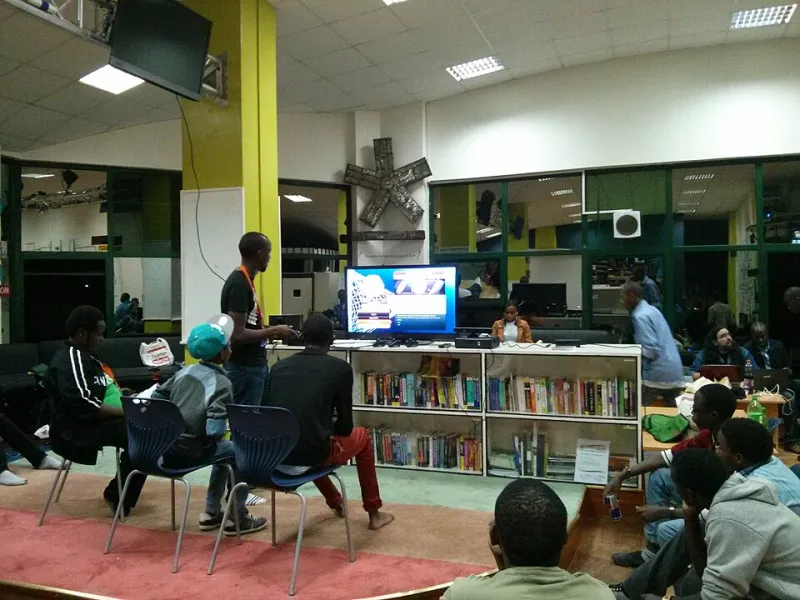
Photo: Hilary Murugu, CC BY-SA 4.0, via Wikimedia Commons
If you've ever pulled up a console price comparison between Australia and the US, you've probably done a double-take. Then maybe a quiet, frustrated sigh. Then possibly a strongly worded message to your group chat. You're not imagining things — Australians consistently pay more for gaming hardware, often for older stock, with fewer options on shelves. And for a hobby that's supposed to be about fun and connection, that reality stings.
So what's actually going on, and more importantly, what can you do about it?
The Numbers Don't Lie
Let's start with the basics. When a new console drops globally, the Australian RRP almost never matches a straight currency conversion. Take the PlayStation 5 at launch — it retailed for USD $499 in the United States. At the exchange rate at the time, that should've landed somewhere around AUD $680. Instead, Australians were looking at AUD $749 for the standard edition. That's before you factor in accessories, extra controllers, or a halfway decent headset.
The Xbox Series X followed a similar pattern. And it's not just consoles — gaming monitors, mechanical keyboards, capture cards, and VR headsets all carry what many in the community have started calling the "Australia tax." It's an unofficial surcharge that comes bundled with living on this side of the planet.
The reasons are legitimate, even if they're frustrating. Shipping costs, import duties, smaller market size, and retailer margins all stack up. Australia doesn't have the sheer purchasing volume of North America or Europe, which means distributors can't spread costs across as many units. The result? You pay more per box.
Older Stock, Premium Prices
Here's where it gets particularly rough. It's not just that we pay more — sometimes we're paying more for hardware that's already been superseded elsewhere. Limited local stock means that when a new GPU generation drops, Australian shelves are often still stocked with the previous model at near-launch pricing. Meanwhile, overseas retailers are discounting that same older hardware to clear space.
Brisbane-based gamer Tara, 28, knows this frustration well. "I was trying to upgrade my GPU last year and the card I wanted was sold out everywhere locally. The only places that had it were charging close to what it cost new, even though it had been out for two years," she says. "I ended up finding one through a Facebook group from someone who'd imported it themselves. It was cheaper and actually newer than what the stores had."
That kind of workaround — buying through private sellers, grey market importers, or directly from overseas retailers — has become increasingly common. It's not without risk, though. Warranty claims on grey market hardware can be a nightmare, and customs can occasionally flag parcels depending on value.
The Import Gamble
For some Aussie gamers, importing directly is the move. Sites like Amazon US, B&H Photo, and various Japanese electronics retailers can offer significant savings even after factoring in international shipping. The maths doesn't always work out — heavy items like monitors or consoles often eat most of the savings in freight costs — but for smaller accessories and games, it can be genuinely worth it.
Melbourne gamer Dom, 34, has been importing hardware for years. "You have to be smart about it. I group orders together to make the shipping worthwhile, and I always check whether the product will work here — power adapters, region locks, that kind of thing," he explains. "I've saved hundreds over the years but I've also made mistakes early on. You learn."
The region-lock issue is real. Some older games, certain DLC codes, and a handful of peripherals are still tied to specific markets. It's less of a problem than it used to be, but it's worth checking before you commit to an overseas purchase.
Cloud Gaming: The Great Equaliser?
Here's where things get interesting. Cloud gaming platforms — Xbox Cloud Gaming, NVIDIA GeForce NOW, and others — have started to quietly reshape the hardware conversation. If your internet connection is solid enough, you can access games running on high-end server hardware without owning a single expensive box. For Australians in metro areas with reliable NBN, this is increasingly viable.
Xbox Game Pass Ultimate includes cloud gaming access, meaning a monthly subscription gives you a library of titles playable on a phone, tablet, or low-spec laptop. No console required. No $800 outlay. No waiting for stock.
"I cancelled my console upgrade plans when I realised I could play most of what I wanted through cloud gaming," says Sydney gamer Priya, 31. "My internet isn't perfect but it's good enough for most games. I'm saving money and honestly, I'm playing more than I ever did because the barrier to just jumping in is so low."
The catch, of course, is latency. Competitive games — particularly fast-paced shooters or fighting games — can feel sluggish when streamed. For casual play, it's largely fine. For ranked matches where milliseconds matter, it's still not quite there. But for a significant chunk of the gaming audience that just wants to enjoy a good story or a relaxing session, cloud gaming removes the hardware arms race entirely.
Smart Shopping Without the Headaches
If you're not ready to go full cloud, there are still ways to play the local market smarter.
Watch the sales cycles. Australian retailers like JB Hi-Fi, EB Games, and Big W run consistent sales around Black Friday, Boxing Day, and mid-year. Console bundles during these periods can represent genuine value, and price drops on last-gen hardware can be steep.
Consider last-gen hardware seriously. A PlayStation 4 or Xbox One still runs an enormous library of excellent games. If you're newer to gaming or coming back after a break, there's years of content available at a fraction of current-gen pricing.
Check Facebook Marketplace and Gumtree. The secondhand market for gaming gear in Australia is active and often surprisingly well-priced. People upgrade constantly, and their old hardware ends up listed locally. You can often find consoles, controllers, and games in great condition for well under retail.
Use price tracking tools. Sites like StaticICE and GetPricelist aggregate Australian retailer pricing, so you can see historical price trends and set alerts for when something drops to a target price.
The Bigger Picture
The hardware gap is real, and pretending otherwise doesn't help anyone. But it doesn't have to mean you're stuck on the outside of the gaming world looking in. Between cloud platforms, a thriving secondhand market, smart import strategies, and a bit of patience with sales cycles, there are more pathways into quality gaming than the RRP sticker suggests.
Gaming is supposed to be about play — about the fun of the experience, the connection with other players, the escape from a stressful week. At 9Game Online, we genuinely believe that's accessible to everyone, regardless of whether you're rocking a brand-new setup or a three-year-old console you grabbed off Gumtree for $200.
The gear matters less than the game. And the game? That's always been worth playing.