Packing Up and Logging Off: Why Australia's Best Streamers Are Building Their Careers Elsewhere
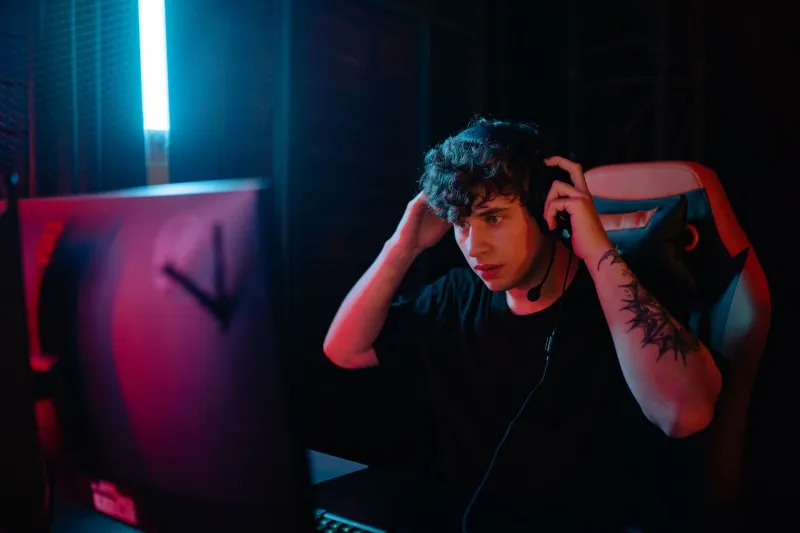
There's a particular kind of irony in the fact that Australian gamers are some of the most passionate, dedicated, and creative in the world — yet the people who make careers out of that passion keep finding reasons to do it somewhere else. Over the past few years, a quiet but steady stream of local content creators have relocated to the US, UK, Canada, and parts of Europe, chasing something Australia simply hasn't been able to offer: scale.
It's not a new problem, but it's getting harder to ignore.
The Numbers Don't Lie
Australia's population sits at around 26 million. Compare that to the United States at 330 million, or the combined English-speaking audience across North America and the UK, and the maths becomes pretty brutal for anyone trying to build a streaming career from Sydney or Brisbane.
For a Twitch or YouTube gaming channel, audience size is everything. More viewers means more subscriptions, more donations, more brand deals, and more algorithmic love from the platforms themselves. When you're streaming from Melbourne at 8pm, your peak hours line up poorly with the massive North American audience that drives the bulk of platform traffic. The ping issues are well-documented — but the time zone problem is arguably just as damaging for anyone trying to grow.
One Sydney-based streamer who relocated to Vancouver two years ago (and asked not to be named while their visa situation is still being sorted) put it bluntly: "I was grinding for three years here, built a decent community, but the ceiling was obvious. Within six months of moving, my concurrent viewership doubled. The sponsorship offers started coming in within the year. I didn't change what I was doing — I just changed where I was doing it from."
The Monetisation Gap
It's not just audience reach that's pushing creators out. The monetisation landscape in Australia lags behind in ways that aren't always obvious from the outside.
Brand deals and sponsorships — the lifeblood of mid-tier content creators — tend to be structured around North American or European market rates. An Australian streamer with 5,000 average viewers might attract interest from local brands, but the budgets on offer often don't compare to what a creator in the same tier could command from US-based gaming companies, peripheral brands, or energy drink sponsors operating in bigger markets.
There's also the matter of the Australian dollar. Even when deals are struck in USD, the conversion works in a creator's favour when they're living overseas — but for someone paying Sydney rent and Australian taxes, the economics can feel punishing.
"I was making decent money by Australian standards," says one Queensland creator who now streams from London. "But once I did the actual comparison — what I was earning versus what people at my level were making in the US — it was kind of deflating. And the cost of living here didn't help."
What Australia Actually Does Well
It'd be unfair to paint the whole picture as doom and gloom. Australia has produced genuinely world-class gaming content, and the local community remains one of the most tight-knit and enthusiastic anywhere. Events like PAX Australia continue to draw massive crowds, and there's real camaraderie in the Aussie gaming scene that creators who've left often say they miss.
There are also creators who've deliberately stayed and built sustainable careers on the back of that local identity. Leaning into the Australian angle — the humour, the slang, the specific cultural references that resonate with a homegrown audience — has worked for a handful of streamers who've carved out a niche that feels genuinely theirs. For them, the smaller audience is a feature, not a bug. The community is more personal, more loyal, and less likely to feel like just another number in someone's analytics dashboard.
But that path requires a specific kind of content and a specific kind of creator. Not everyone fits that mould, and not everyone wants to.
Could Local Platforms and Sponsors Do More?
This is where the conversation gets genuinely interesting — and a little uncomfortable for the Australian gaming industry.
Several creators who've either left or seriously considered it point to a lack of proactive support from local brands and platforms. While there are Australian gaming sponsors and esports organisations doing solid work, the infrastructure to nurture mid-tier creators into sustainable careers simply isn't as developed here as it is overseas.
Some point to the need for a more coordinated approach — something like what the local music or film industries have done with funding bodies and grants, but applied to gaming content. It sounds ambitious, but given how much economic activity gaming generates in Australia, it's not an unreasonable ask.
Others suggest that Australian telcos, tech retailers, and gaming peripheral brands could be doing far more to invest in local creators at earlier stages of their careers, rather than waiting until they've already built an overseas following before throwing money at them.
"By the time a brand reaches out with a decent offer, a lot of creators have already made up their mind," says one Melbourne-based talent manager who works with several gaming content creators. "The window to keep them here is earlier than most people think."
The Ones Who Come Back
Interestingly, the story doesn't always end with a one-way ticket. A few creators who relocated have since returned to Australia — some because the overseas experiment didn't pan out the way they'd hoped, others because they found that the thing they'd built here was harder to replicate from the other side of the world.
The Aussie gaming community, for all its limitations in terms of raw scale, has something that's difficult to manufacture: genuine warmth. The creators who've come back often talk about that as the thing that brought them home. The chat that actually knows your references. The viewers who've been there since the beginning. The sense that you're part of something specific and real.
Where Does That Leave Us?
The brain drain is real, and pretending otherwise doesn't help anyone. But it's also not inevitable. The conditions that push creators overseas — limited audience scale, weaker monetisation, time zone disadvantages — aren't all fixable, but some of them are addressable with the right investment and intent.
Australia has never had a shortage of gaming talent. What it's sometimes lacked is the infrastructure to keep that talent from looking elsewhere. If local platforms, sponsors, and industry bodies can start treating gaming content creation as a genuine career path worth investing in — not just a marketing channel to tap when it's convenient — there's a real chance to slow the outflow.
For now, though, the setups keep getting packed up. And somewhere in a North American time zone, another Aussie streamer is going live to an audience that's finally big enough to make the numbers work.


